SHAREHOLDER DISPUTES

SHAREHOLDER DISPUTES

Section 163 oppression applications, derivative actions, director delinquency and board deadlock. Twenty-two years of High Court practice in disputes over who controls a company.

June Marks

BEING OUTVOTED IS NOT THE SAME AS BEING POWERLESS

South African company law gives minority shareholders substantive remedies that do not depend on votes. Section 163 of the Companies Act 71 of 2008 allows a shareholder or director to apply to the High Court where the conduct of a company's affairs is oppressive, unfairly prejudicial, or unfairly disregards their interests. The court's powers under that section are unusually wide: it may order a buy-out at a valuation the court itself determines, set aside a resolution or agreement, appoint or remove directors, or place restrictions on how the company is run.

This matters because most shareholders in trouble assume the shareholding determines the outcome. It does not. The question is whether the conduct was unfair, not whether it was authorised. 

WHAT WE ACT ON SHAREHOLDER OPPRESSION AND UNFAIR PREJUDICE — SECTION 163

Exclusion from management, denial of access to financial records, dilution through a rights issue structured to squeeze out a minority, diversion of business to a related entity, and the withholding of dividends while directors extract value through salaries or loan accounts. Acting for applicants seeking a buy-out or an unwinding, and for respondents defending conduct that was commercially justified.

June Marks

DERIVATIVE ACTIONS — SECTION 165

Where a wrong has been done to the company itself and those in control will not act, section 165 allows a shareholder, director or trade union representative to apply for leave to bring proceedings in the company's name. Leave is granted on a good faith and best interests test, so the application stands or falls on how the claim is prepared before it is launched.

DIRECTOR DELINQUENCY AND PROBATION — SECTION 162

A declaration of delinquency disqualifies a person from directorship, in serious cases for life. It is available where a director has acted with gross negligence, wilful misconduct or breach of trust, or has taken personal advantage of information or an opportunity belonging to the company. It is a remedy of real consequence, and it is frequently under-used by shareholders who assume removal is the only option.

June Marks

FIDUCIARY DUTIES AND PERSONAL LIABILITY — SECTIONS 76 AND 77

The company is not a shield. Section 76 codifies the duty to act in good faith, for a proper purpose and in the best interests of the company. Section 77 sets out when a director becomes personally liable for the loss that follows a breach. Self-dealing, undisclosed conflicts, misappropriation of assets and decisions taken for personal gain all fall here.

BOARD DEADLOCK AND MOI DISPUTES

Deadlock does not pause the damage — it accelerates it, because value erodes while a company sits paralysed. Where the shareholders agreement and the memorandum of incorporation contain no mechanism to break the impasse, the routes available include a section 163 application, a court-supervised resolution, or in the last resort winding-up on just and equitable grounds.

June Marks

URGENT RELIEF

Interdicts to stop a disposal, a share transfer or a resolution before it takes effect; orders compelling access to records; restraint and confidential information applications where a director is leaving with the business. Urgency is often the whole case, because the asset in dispute can be gone by the time an ordinary action is heard.

FAQS

CAN A MINORITY SHAREHOLDER FORCE THE MAJORITY TO BUY THEM OUT?

Yes, in the right circumstances. Section 163 empowers the High Court to order that shares be purchased, and to determine the valuation itself rather than accept the price the majority offers. The application must establish that the conduct complained of was oppressive or unfairly prejudicial — a breakdown in the relationship alone is not enough.

HOW LONG DOES A SECTION 163 APPLICATION TAKE?

An opposed application in the Gauteng High Court typically runs twelve to twenty-four months to judgment, longer where a referral to oral evidence or a valuation enquiry is ordered. Urgent interim relief, where the facts justify it, can be obtained in days. Most matters settle before judgment, and the settlement is usually driven by how strong the papers look after the answering affidavit.

WHAT DOES IT COST?

A shareholder dispute is priced by the complexity of the financial reconstruction as much as by the law. Where the conduct is documented and the valuation is straightforward, costs are contained. Where loan accounts, inter-company transfers or diverted business must be traced across several years, forensic work becomes the largest component. We give a written estimate broken down by phase after reviewing the documents, so the decision to proceed is made on figures rather than hope.

DO I HAVE TO GO TO COURT?

Often not. Negotiation, mediation and arbitration are all available, and the shareholders agreement frequently prescribes which applies. But leverage in those forums comes from being genuinely ready to litigate. The strategy is to prepare the application properly and negotiate from that position, rather than negotiate first and prepare later.

WHAT IF THE COMPANY IS ALSO IN FINANCIAL DISTRESS?

This is common and it changes the sequence. Business rescue under Chapter 6 imposes a moratorium that affects what proceedings may be brought and when, and a liquidation displaces the dispute into a different forum entirely. Where a shareholder fight and an insolvency are running together, the order in which steps are taken frequently determines the outcome.

HOW WE WORK

These cases are won on financial detail as much as on legal argument. Loan account treatment, the timing of transfers, the paper trail behind a rights issue — this is usually where the unfairness is demonstrated, and it is why the practice runs forensic analysis alongside the litigation rather than litigating around someone else's summary.

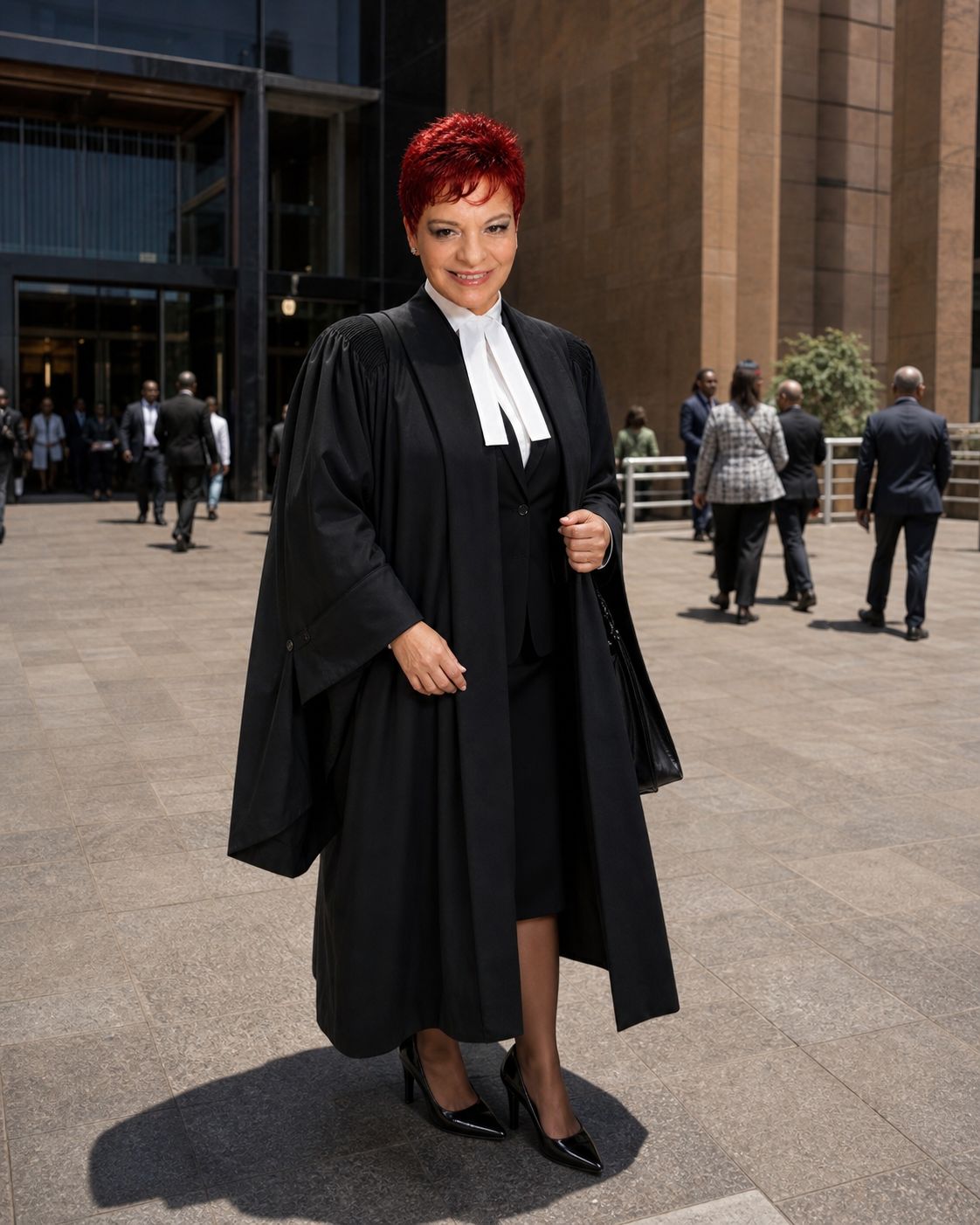
June Stacey Marks personally runs each matter from strategy through drafting to argument. BCom, LLB and LLM, each cum laude, the LLM in Insurance, Company and Insolvency Law. Top LLB graduate at UNISA. Admitted attorney of the High Court with rights of appearance, in practice twenty-two years. LPC 8811.

SPEAK TO US

If you are being excluded from a company you own part of, or you are a director whose conduct is being challenged, the first step is a review of the shareholders agreement, the MOI and the financial records.
Telephone 011 262 0470 • june@junemarksattorneys.co.za

June Marks
Email

Email: junemarks@icloud.com

June Marks
Address

June Stacey Marks Attorneys
Block G, Pinmill Farm, Sandown 2194

June Marks
Contact

Cel: 0731903712

June Marks
Telephone

Tel: 011 262 0470

Address

June Stacey Marks Attorneys
Block G, Pinmill Farm, Sandown
2194

Follow Us
Contact
  • email: junemarks@icloud.com
  • Cel: 073 190 3712